A Practical Guide to Selecting Reliable Sealed Chain Solutions
-
Posted by kingschains lis - Filed in Op Ed - #Sealed Motorcycle Chain #Jiangshan Wangpai Chain Industry Co. #Ltd. #Motorcycle Chain #Motorcycle Drive Chain #Chain Manufacturing #Power Transmission #Motorcycle Components #Drive System #Mechanical Components - 4 views
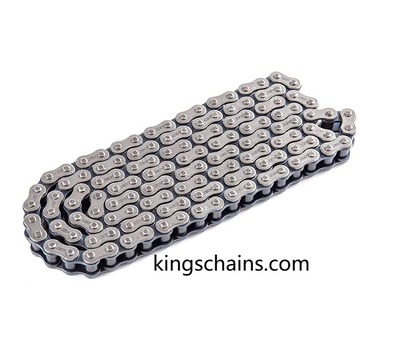
Motorcycle drive systems rely on dependable chain components to transfer movement smoothly while facing road debris, moisture, dust, vibration, and frequent maintenance. For riders and buyers considering a Sealed Motorcycle Chain, the evaluation should go beyond the basic transmission function. Material selection, purchasing considerations, sealing technology, user experience, maintenance, and visual design can all influence how naturally a chain fits into everyday motorcycle operation.
Material selection provides the foundation of chain development. Motorcycle chains contain several interacting metal elements, including links, pins, bushings, rollers, and connecting plates. Manufacturers need to balance characteristics such as strength, toughness, wear resistance, fatigue behavior, corrosion protection, and processing compatibility. The right material approach can support stable movement while helping the chain remain practical for repeated use and routine service.
Sealing technology adds another important layer to chain development. Sealed chain structures are designed around the relationship between internal lubrication, protective sealing elements, and moving components. The sealing system needs to work together with the pin and bushing structure while allowing the chain to articulate naturally. Careful engineering can help limit the entry of dirt and moisture into areas that require protection, supporting more consistent chain operation.
The choice of materials for sealing elements is also important. Different rubber compounds and related materials can have different flexibility, wear behavior, and environmental resistance. Engineers need to consider how the sealing element performs during repeated movement and exposure to road conditions. The interaction between metal components and sealing materials should be evaluated as a complete system rather than as separate parts.
Purchasing decisions should begin with the motorcycle's actual riding environment. Daily commuting, touring, recreational riding, and off-road use can expose a chain to different levels of dust, moisture, mud, and road contamination. Buyers can consider riding habits, maintenance routines, storage conditions, cleaning practices, lubrication requirements, and compatibility with the existing drivetrain. Understanding these factors helps customers choose a chain according to practical use instead of relying only on surface appearance.
Supplier evaluation is equally important. A capable chain manufacturer should provide material expertise, manufacturing experience, engineering communication, quality management, and flexible support for different market requirements. Customers may also value suppliers that understand how sealing design affects maintenance and drivetrain performance. Jiangshan Wangpai Chain Industry Co., Ltd. develops chain products with attention to mechanical applications, manufacturing quality, and customer needs.
Functional engineering influences the way a sealed chain performs during everyday riding. Engineers need to coordinate the links, pins, bushings, rollers, connecting plates, and sealing elements so the chain can move smoothly around sprockets. Consistent component interaction can help reduce unnecessary friction and support a more predictable drivetrain experience. The design should also allow technicians to inspect the chain and perform practical maintenance.
Manufacturing technology plays a central role in chain consistency. Production may involve forming, machining, heat treatment, surface finishing, sealing assembly, lubrication, inspection, and packaging. Digital process management can help coordinate different stages, while quality inspection provides information about component condition and assembly consistency. Continuous refinement based on manufacturing feedback can improve both product quality and production efficiency.
User experience is closely connected with maintenance convenience. Motorcycle owners often need to inspect, clean, lubricate, and monitor their drivetrain as part of regular care. A well-developed sealed structure can make routine maintenance more manageable by helping protect internal working areas. Practical component design and accessible surfaces can also make inspection easier for riders and service technicians.
Environmental exposure should be considered throughout the product lifecycle. Motorcycles may encounter rain, mud, dust, road salt, cleaning products, and prolonged storage. Material selection, surface treatment, sealing concepts, and lubrication behavior can influence how the chain responds to these conditions. A thoughtful design can support more consistent upkeep while helping riders manage their drivetrain in different environments.
Design and appearance can also contribute to product identity. Chain components are mechanical parts, but visible finishes can influence how a motorcycle is perceived. Clean surfaces, consistent plate appearance, carefully controlled finishing, and coordinated presentation can support a more professional look. For motorcycle brands and aftermarket businesses, visual consistency can also help the chain fit within a broader product collection.
Customization provides flexibility for motorcycle brands, distributors, retailers, and specialized customers. Different markets may prefer particular finishes, packaging concepts, branding approaches, or coordinated drivetrain products. Flexible manufacturing allows suppliers to adapt product presentation while maintaining practical production methods. Cooperation among engineers, designers, and customers can help align the chain with specific market expectations.
Quality management connects raw material evaluation, component processing, heat treatment, sealing assembly, lubrication, inspection, packaging, and customer feedback. Consistent procedures help manufacturers identify production variations and refine future processes. Feedback from riders, mechanics, and distributors can also provide useful information about maintenance, sealing, handling, appearance, and everyday riding conditions.
Jiangshan Wangpai Chain Industry Co., Ltd. continues developing motorcycle chain solutions through manufacturing experience, material expertise, sealing-related engineering, quality-focused processes, and attention to customer application requirements. Its approach connects component design, protective structure, maintenance convenience, visual presentation, and manufacturing quality to support different motorcycle and mechanical transmission applications. More information about its products and capabilities is available at https://www.kingschains.com/.